


People want to maintain their mobility throughout their lives. When joints ache, it can hinder movement. Collagen, a vital protein, is crucial for healthy, flexible, and strong joints. This blog explores how collagen provides Natural Joint Support and offers simple ways to incorporate it into your routine for healthier joints.
Understanding Collagen: Structural Protein
Collagen is a protein. It is the most common protein in your body. It works like a frame. It gives shape and strength to many body parts. Think of it as your body’s natural glue. This protein is key for healthy skin. It is also key for bones, muscles, and especially joints. It gives Natural Joint Support. It keeps these parts strong and bendy.
Collagen Types and Functions
Scientists have found many kinds of collagen. But three types are most important. They help your overall health. They also help your joints work.
- Type I collagen makes strong, thick fibers. You find it in skin, bones, and tendons. It is also in ligaments. It makes these parts strong. Many people want collagen for healthy skin. Type I is very important for this. It helps skin stay firm.
- Type II collagen makes a flexible, net-like shape. It is the main part of cartilage. Cartilage covers bone ends in joints. It helps them move smoothly. This type is key for joint cushioning.
- Type III collagen often works with Type I. It is in skin and blood vessels. It is also in organs inside your body. It makes tissues stretchy. It helps them stretch and bounce back.
Collagen’s Location in the Body
Collagen is all over your body. It is very common where strength is needed. It is also common where flexibility is needed. In joints, collagen is a main building block. It forms the cartilage. Cartilage cushions bones. It also makes up tendons. Tendons connect muscles to bones. Ligaments connect bones to other bones. These parts need collagen. It gives them strength. It helps them handle stress. This happens when you move. Bones have a lot of Type I collagen. This makes them flexible. It stops them from breaking easily. Keeping these collagen levels is very important. It gives Natural Joint Support. Many people use joint health capsules. For example, Collanol x20 Caps. These help support their body’s collagen.
Collagen’s Impact on Joint Health
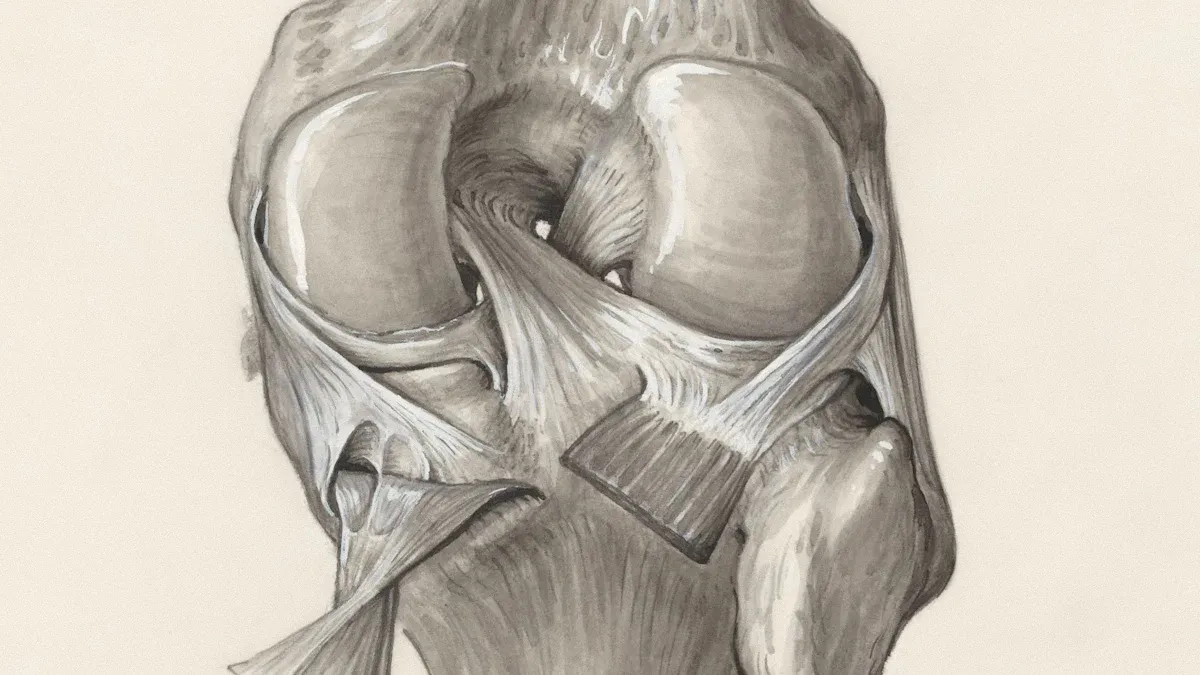
Collagen helps your joints. It keeps them healthy. It helps them work well. It keeps your body moving.
Cartilage Integrity and Support
Cartilage covers bone ends. It acts like a cushion. Type II collagen builds cartilage. It makes it strong. It makes it stretchy. Bones glide without rubbing. Collagen lessens damage. It soaks up shock. Healthy cartilage protects joints. It stops pain. It stops stiffness. Collagen helps cartilage heal. This is key for arthritis. Good collagen helps joints naturally.
Tendon and Ligament Strength
Tendons link muscles to bones. Ligaments link bones to bones. Both keep joints steady. Type I collagen forms tendons. It forms ligaments. It makes them very strong. They can handle pulling. Strong tendons keep joints stable. Strong ligaments keep joints stable. They stop injuries. Collagen helps these tissues heal. Active people recover fast. Their joints stay strong.
Joint Flexibility and Mobility
Collagen fibers stretch. They snap back. This stretchiness helps joints bend. It helps them move fully. Good collagen means less stiff joints. They move more freely. This makes daily tasks easy. It boosts sports performance. Collagen keeps joints moving smoothly.
Bone Strength and Density
Bones are not just hard. They have much collagen. Type I collagen forms bone’s base. This base is flexible. Minerals like calcium build on it. This mix makes bones strong. It makes them flexible. Collagen helps bones not break. It adds to bone density. Strong bones mean healthy joints. Many take joint pills. They help bones and joints. Some use Collanol x20 Caps. Collagen helps skin. It also helps bones a lot.
Note: The emulsion texture of Secalia DS 40 ml Facial emulsion is indicated by its product classification.
Collagen Deficiency and Joint Issues
Problems happen when the body does not have enough collagen. This lack hurts the body’s structure. It especially hurts the joints. The body cannot keep its natural joint support without enough collagen.
Common Deficiency Symptoms
Not enough collagen often shows clear signs. People might first feel stiff joints. This stiffness makes moving hard. It is worse after resting. Joint pain is another common sign. This pain can be a dull ache. It can also be sharp pain. It often gets worse with activity. Less movement also happens. People find it harder to bend. They find it harder to stretch. Daily tasks become hard. Their movement range gets smaller. These signs mean the body’s cushioning is weak. Its support is also weak. They show a need for better natural joint support.
Factors in Collagen Loss
Many things cause collagen loss in the body. Getting older is the main reason. Bodies make less collagen as people age. Old collagen also breaks down faster. This starts in the mid-20s. It speeds up every ten years. Food choices are very important. A diet without key nutrients hurts collagen making. Vitamin C or protein are examples. Bad food means the body lacks building blocks. Life choices also change collagen levels. Smoking harms collagen fibers. Too much sun also breaks down collagen in skin. This hurts collagen for skin and other parts. Eating too much sugar can also hurt collagen. These things together make the body weak. It cannot keep joints strong and flexible.
Boosting Collagen for Natural Joint Support
People can raise their body’s collagen. This helps joints get healthier. It also helps their whole body. There are ways to boost collagen. These include food, nutrients, and pills.
Dietary Collagen Sources
Eating certain foods gives the body collagen. These foods provide parts for new collagen.
- Bone Broth: This is a rich source. People cook animal bones and tissues. It has collagen, amino acids, and minerals.
- Fish and Shellfish: Fish skin and scales have collagen. Fish collagen is easy to take in.
- Chicken Skin and Cartilage: These chicken parts are good sources. They give collagen directly.
- Gelatin: This is cooked collagen. People use it in desserts.
These foods give the body raw stuff. The body then uses it to make its own collagen.
Collagen-Boosting Nutrients
The body needs certain nutrients. These make collagen. Without them, collagen making slows.
- Vitamin C: This vitamin is key. It helps link amino acids. This forms collagen. Citrus fruits, berries, and peppers are good sources.
- Zinc: This mineral helps make collagen. It aids enzymes that build collagen. Nuts, seeds, and beans have zinc.
- Copper: Copper also helps form collagen fibers. It makes these fibers strong. Shellfish, nuts, and dark chocolate give copper.
- Proline and Glycine: These are amino acids. They are main parts of collagen. The body can make some. People also get them from protein foods.
A balanced diet gives the body these nutrients. This helps the body make collagen naturally.
Note: The rich texture of Endoca Hemped Whipped Body Butter helps to soothe dry skin while providing it with omega fatty acids and vitamins.
Collagen Supplement Types and Benefits
Many people take collagen supplements. These add collagen to the body. Different types exist. Each has special benefits.
- Hydrolyzed Collagen (Collagen Peptides): This is most common. Makers break collagen into small pieces. The body takes these in easily. They help skin stretch and joints stay healthy. Many
joint health capsuleshave this. People see benefits forcollagen for skinand comfy joints. - Native (Undenatured) Collagen: This type keeps its first shape. It works differently. It helps control the immune system. This can ease joint pain. Some
joint health capsules, likeCollanol x20 Caps, use this. They aim to help cartilage and joint work.
Supplements can give special help. They keep joints flexible and strong. This helps with overall Natural Joint Support.
Choosing a Collagen Supplement
Picking the right collagen supplement is key. People should think about a few things.
- Bioavailability: This means how well the body takes it in. Hydrolyzed collagen is usually absorbed well.
- Sourcing: Find supplements from good places. Grass-fed, pasture-raised, or wild-caught are often best. This means good quality.
- Type of Collagen: Think about the specific type. Type I and III are good for skin and bones. Type II is best for cartilage and joints.
- Dosage: Follow the amount on the label. Amounts can change based on type and product.
Ask a doctor for advice. They can help choose the best supplement.
Integrating Collagen Daily

People can add collagen to their daily health plan. This helps keep joints strong. It helps keep them flexible. Small changes can boost collagen.
Practical Supplementation Tips
Take collagen supplements every day. This gives the best results. Many put collagen powder in coffee. They also put it in smoothies. Others take joint health capsules. Collanol x20 Caps are an example. They take them with food. The body needs collagen parts often. This helps repair and maintain. Some see better skin. This is “collagen for skin.” They also feel better joints. It takes time for collagen to work. So, be patient. Take it regularly. This helps with Natural Joint Support.
Lifestyle for Collagen Production
Daily habits affect collagen. Exercise makes muscles strong. This helps joints. It lessens stress on cartilage. It lessens stress on ligaments. Walking helps bones. Strength training helps bones. This helps collagen structures. Water is also very important. Water keeps collagen soft. It keeps it stretchy. Drink lots of water daily. Good sleep helps the body heal. It helps it rebuild. Growth hormones release during deep sleep. These help make collagen. Sleep helps the body rebuild collagen. These habits work with collagen intake. They give full Natural Joint Support.
Collagen helps joints. It makes them bendy. It makes them strong. It helps cartilage. It helps tendons. It helps bones. People can get more collagen. They can eat certain foods. They can take pills. This helps joints naturally. Taking collagen helps joints for a long time. It also makes you feel better. Think of collagen as important. Use it every day. It helps you move well for years.


