


You can find comfort with stomach care that supports your body gently and naturally. Stomach care means choosing remedies that do not cause more pain or stress. Many people want to avoid harsh chemicals, so you may look for stomach care options that use nature’s power. You can use stomach care to soothe pain and help your body heal. With the right stomach care, you often feel better and build a strong routine for lasting wellness.
Causes of Ulcers and Indigestion
Ulcers: Main Triggers
You might ask why ulcers form in your stomach. The usual reason is an infection with Helicobacter pylori bacteria. This infection makes your stomach lining weak. Acid can then hurt your stomach more easily. Using NSAIDs like ibuprofen for a long time can also cause ulcers. These drugs lower the mucus that protects your stomach. Stress and eating badly can make ulcers worse. They do not usually cause ulcers by themselves. Smoking and drinking alcohol can raise your risk of getting ulcers. Eating spicy foods may make you feel more pain. These foods do not actually cause ulcers.
Tip: You can help your stomach by staying away from triggers and picking gentle care routines.
Indigestion: Common Causes
Indigestion happens when your stomach has trouble breaking down food. You might feel this if you eat too much or too fast. Fatty foods, caffeine, and fizzy drinks can cause indigestion. Stress can slow down digestion and make your stomach lining sore. Some people feel better by changing their diet and eating smaller meals. If you have ulcers, you may get indigestion more often.
Recognizing Symptoms
You can notice ulcers and indigestion by looking for certain signs. Stomach ulcers often cause:
- Burning pain in your upper belly
- Nausea or vomiting
- Not feeling hungry
- Getting full quickly
- Dark or bloody poop
Indigestion can cause:
- Bloating
- Heartburn
- Mild stomach pain
- Burping
If you see these signs a lot, try gentle stomach care. Ask a doctor for help if they do not go away.
Natural Remedies for Stomach Care
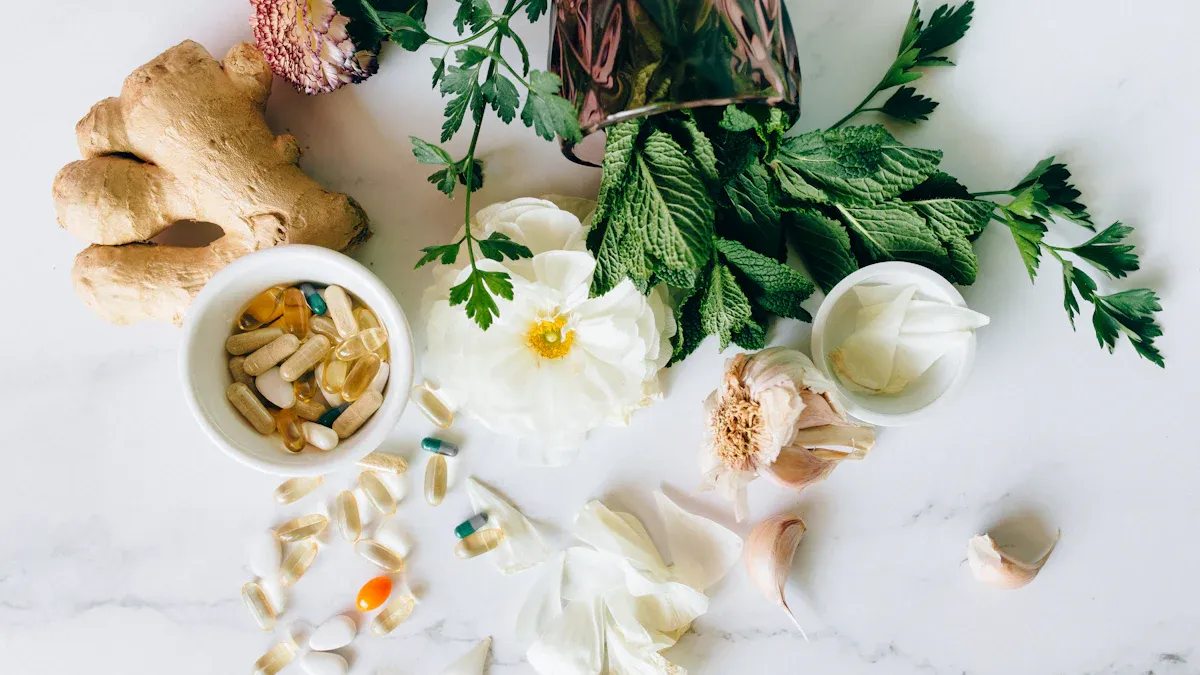
You can help your stomach with gentle natural remedies. These can ease ulcers, indigestion, and upset stomach. Many use things you may have at home. These remedies focus on comfort and safety. You can feel better without extra pain.
Flavonoids and Fruits
Flavonoids are found in many fruits. You can get them from apples, berries, and citrus fruits. Flavonoids protect your stomach lining. They may lower your chance of getting ulcers. Eating these fruits helps fight bacteria that cause peptic ulcers. You can add them to meals to help healing and ease indigestion. Flavonoids also help with gut discomfort and support digestion. Tailored Staff Ltd makes it easy to hire a housekeeper experienced in estates, households, and busy family homes.
Aloe Vera Benefits
Aloe is soothing for your stomach. You can drink aloe juice to calm an upset stomach. Aloe helps lower inflammation and protects your stomach lining. It may help treat ulcers. Some studies show aloe can heal ulcers faster and lower pain. Pick pure aloe juice with no sugar or chemicals. Aloe is gentle and safe for most people. Talk to your doctor if you have questions.
Note: Aloe can help with indigestion and support your stomach care.
Licorice for Ulcers
Licorice root is a traditional remedy for ulcers. You can use deglycyrrhizinated licorice (DGL) to avoid side effects. Licorice helps your stomach make more mucus. This protects against acid and helps ulcers heal. You can chew DGL tablets before meals to help with ulcers and upset stomach. Licorice works best with other remedies and a healthy diet.
Probiotics for Indigestion
Probiotics are good bacteria for your digestive health. You can find probiotics in yogurt, kefir, and supplements. Probiotics help balance your gut and fight bacteria that cause peptic ulcers. They also help with indigestion and upset stomach by improving digestion. You can use probiotics every day to help your stomach and prevent problems. Probiotics are safe for most people and easy to add to your routine.
Honey and Healing
Honey has natural healing powers. You can use honey to help treat ulcers and calm an upset stomach. Honey fights bacteria and helps your stomach lining heal faster. You can eat a spoonful or add it to warm water or tea. Honey is gentle and safe for most people. It can help with indigestion and support your stomach care.
Cabbage Juice
Cabbage juice is a classic remedy for ulcers. You can drink fresh cabbage juice to help your stomach heal. Cabbage has compounds that repair your stomach lining and speed up healing. Many people use cabbage juice for upset stomach and ulcers. You can drink a small glass each day for best results.
Ginger and Turmeric
Ginger is a strong root that helps with indigestion and upset stomach. You can use ginger root in tea, food, or supplements. Ginger helps lower nausea and pain from ulcers. Turmeric also helps treat ulcers by lowering inflammation and helping healing. You can add turmeric to food or drink it as tea. Both ginger and turmeric are safe and easy to use at home.
Tip: Try ginger tea or add fresh ginger to meals for extra care.
Chamomile Tea
Chamomile tea is gentle and calms your stomach. You can drink chamomile tea to help with indigestion and upset stomach. Chamomile relaxes your muscles and lowers pain from ulcers. You can enjoy a warm cup before bed to help your body heal and rest.
Whole Grains and Yogurt
Whole grains and yogurt are good for your digestion. You can eat oatmeal, brown rice, and whole wheat bread to help your stomach. Yogurt has probiotics that help with indigestion and upset stomach. These foods are gentle and protect your stomach lining. You can add them to meals for better stomach care.
Peppermint for Pain
Peppermint tea is a popular remedy for upset stomach and pain. You can drink peppermint tea to relax your stomach muscles and help with indigestion. Peppermint tea can also help with heartburn. Do not drink peppermint tea if you have severe ulcers. It may make symptoms worse for some people.
Note: ALMAGEL is another natural remedy for heartburn and digestive health. Many people use ALMAGEL to calm an upset stomach and lower acid. Ask your doctor if ALMAGEL is right for your care.
You can use these home remedies to treat indigestion, help ulcers, and support healing. Always listen to your body and pick remedies that feel gentle and safe. If your symptoms do not get better, talk to a doctor for more help.

What to Avoid
Taking care of your stomach means you need to know what foods and habits can make ulcers and indigestion worse. You can help your digestive health by making smart choices every day. Here are things you should stay away from for better stomach care and heartburn relief.
Spicy Foods
Spicy foods can bother your stomach lining. You might feel burning or pain after eating hot peppers, chili powder, or spicy sauces. If you have ulcers or indigestion, you should eat less spicy food. Pick mild flavors to help your treatment work better.
Tip: Use herbs like basil or parsley for flavor instead of hot spices.
Dehydration
Your body needs water to help your digestive system work well. Not drinking enough water can slow digestion and make stomach pain worse. You should drink water all day. Do not drink too many sodas or drinks with caffeine because they can dry you out. Staying hydrated helps your treatment and supports your digestive health.
Fact: The concentration of glycolic acid in Glyco-A Intense Peeling 30 ml Night cream with 25% glycolic acid is specified by the manufacturer.
Trigger Foods for Ulcers
Some foods can cause pain or slow healing if you have ulcers. You should not eat fried foods, fatty meats, or processed snacks. Acidic foods like citrus fruits and tomatoes can also make you feel bad. Eating whole grains, lean proteins, and cooked vegetables helps your stomach and heartburn.
- Fried foods
- Fatty meats
- Processed snacks
- Citrus fruits
- Tomatoes
Habits That Worsen Indigestion
Some habits can make indigestion worse. Eating too fast or lying down after meals can upset your stomach. Smoking and drinking alcohol can hurt your stomach lining and slow down healing. Eat slowly, sit up after meals, and do not use tobacco or alcohol for better digestive health.
Note: Small changes in your diet and habits can help your stomach heal and stop future problems.
Stomach Care Tips for Prevention
Mindful Eating
You can help your digestive health by practicing mindful eating. Slow down when you eat. Chew each bite well. Notice the flavors and textures of your food. You avoid overeating when you pay attention to your hunger signals. Eating smaller meals helps your stomach work better and gives you heartburn relief. Try to sit at a table and focus on your meal. Avoid screens and distractions during meals.
Tip: Put your fork down between bites. Take a few deep breaths before you start eating.
Sleep and Rest
Your body needs enough sleep to heal and stay healthy. You support stomach care when you get seven to nine hours of sleep each night. Rest helps your body repair the lining of your stomach and keeps your digestive system strong. You can prevent stomach ulcers by sticking to a regular sleep schedule. Try to go to bed and wake up at the same time every day.
Physical Activity
You boost digestive health when you move your body. Walking, biking, or gentle stretching helps food move through your system. You lower your risk of indigestion and heartburn relief by staying active. Choose activities you enjoy. Aim for at least thirty minutes of movement most days. You do not need to run or lift heavy weights. Simple exercise works well for stomach care.
- Walk after meals
- Try yoga or stretching
- Play outside with friends
Stress Management
Stress can upset your stomach and slow digestion. You can protect your digestive health by finding ways to relax. Practice deep breathing, listen to music, or spend time with loved ones. You prevent stomach ulcers when you manage stress well. You might keep a journal or talk to someone you trust. Small changes help you feel calm and support your stomach care routine.
Note: Taking care of your mind helps your body heal and keeps your stomach strong.
When to Seek Help for Stomach Ulcers and Indigestion

Warning Signs
You need to know when stomach ulcers or indigestion become serious. Some symptoms mean you should get medical help right away. If you see blood in your stool or vomit, you must call your doctor. Black or tar-like stool can show bleeding from ulcers. You may feel sharp pain in your belly that does not go away. If you lose weight without trying, this can be a sign of a severe ulcer. You might feel weak or dizzy. These symptoms can mean your ulcer is getting worse.
If you have trouble swallowing or keep vomiting, you should not wait. These signs can show a problem with your digestive health. You may need tests to check for stomach ulcers or other issues.
Here are some red flags to watch for:
- Blood in stool or vomit
- Severe or sudden stomach pain
- Unexplained weight loss
- Feeling faint or dizzy
- Trouble swallowing
- Vomiting that does not stop
You should not ignore these signs. Early care helps prevent more problems with ulcers and supports your stomach care routine.
When Remedies Aren’t Enough
You may try home remedies for stomach ulcers and indigestion. Sometimes, natural treatments do not work. If you use remedies for two weeks and still feel pain, you should talk to a doctor. You might need medicine or other care for your ulcer. If you keep getting heartburn relief only for a short time, this can mean your ulcer is not healing.
You should ask for help if:
- Pain lasts more than two weeks
- Home remedies do not help
- You need pain medicine every day
- Your symptoms get worse
Doctors can check your digestive health and find the best treatment for stomach ulcers. You may need tests to see if you have an infection or another cause for your ulcer. Getting help early can stop ulcers from causing more damage.
Remember, stomach care means listening to your body. If you feel worried or unsure, you should reach out for help. Your health matters.
You can support your stomach care with gentle remedies like honey, ginger, and probiotics. Eat mindfully, stay active, and manage stress for better digestive health. Drink water and avoid spicy or fatty foods to help with heartburn relief.
Remember, comfort and safety matter most. If symptoms last or get worse, talk to your doctor. You have the power to take charge of your digestive health and feel your best every day.


