


You want better gut health and you deserve stomach relief without worry. Natural remedies can give you safe options for bloating and indigestion. You can support gut health every day with simple steps. Many people find health improves when they choose gentle solutions. You might notice your gut health gets stronger and your health feels balanced.
Try these ideas for real stomach relief and see how gut health changes for you.
Gut Health and Digestive Comfort
What Is Bloating?
You know that uncomfortable feeling when your stomach feels swollen or tight? That’s bloating. Your digestive system sometimes traps air or fluid, making your belly puff up. You might notice your clothes feel snug or you hear rumbling sounds. Bloating often happens because of excess gas buildup in your digestive system. If you eat too fast or swallow air, you can get bloated. Some foods also cause more gas, which leads to bloating. When you focus on gut health, you can help your body handle bloating better and find stomach relief.
Tip: Try to keep track of what you eat and how your stomach feels. This helps you spot foods that trigger bloating.
What Is Indigestion?
Indigestion makes your stomach feel upset or uncomfortable after you eat. You might feel pain, burning, or heaviness. Sometimes, you burp a lot or get a sour taste in your mouth. Indigestion happens when your digestive system struggles to break down food. You may notice it after eating spicy, fatty, or large meals. Good gut health can help your digestive system work smoothly and give you better stomach relief.
Common Causes
Many things can upset your digestive system and cause bloating or indigestion. Here are some common causes:
- Eating too quickly
- Swallowing air while chewing gum or drinking soda
- Consuming foods that produce gas, like beans or broccoli
- Stress or anxiety
- Lack of physical activity
- Overeating
Your health depends on how well your digestive system works. If you pay attention to your habits, you can support gut health and reduce stomach problems. Remember, small changes can make a big difference in how you feel every day.
Home Remedies for Bloating Relief
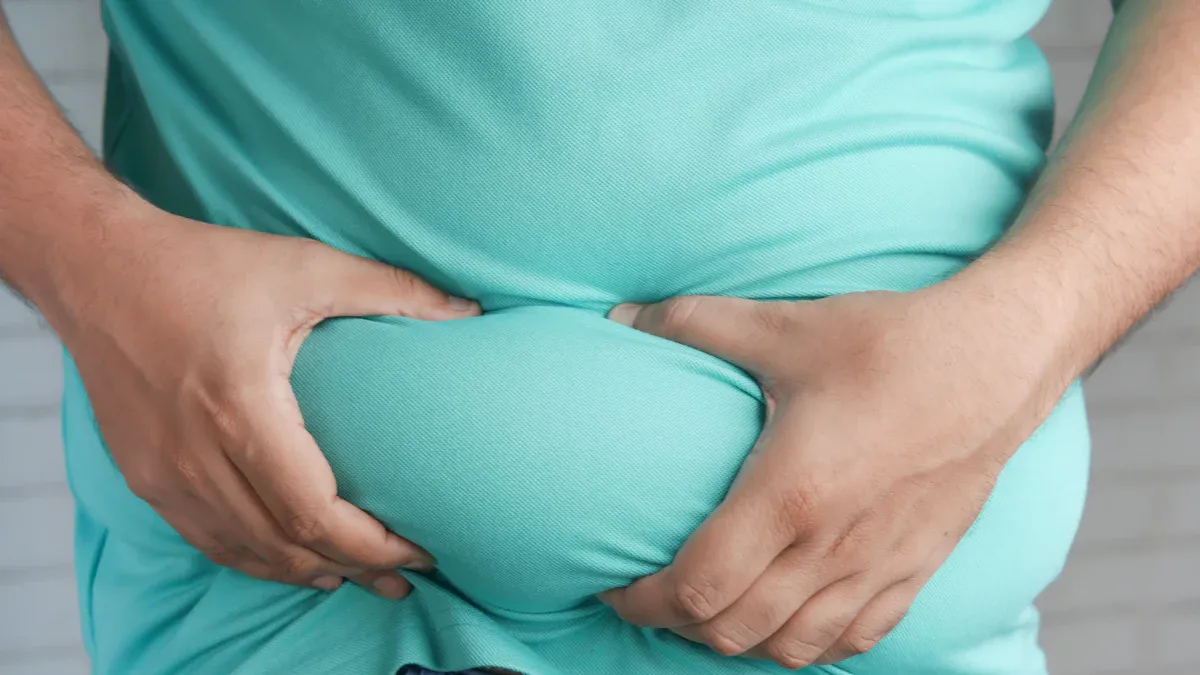
If you want to feel better fast, you can try home remedies for bloating relief. These natural options help your stomach feel calm and support your gut health. Let’s look at some easy ways you can get stomach relief at home.
Herbal Teas (Ginger, Chamomile, Peppermint)
Herbal teas work well when your stomach feels tight or full. Ginger tea is a favorite for many people. You can slice fresh ginger and steep it in hot water. Ginger helps your stomach move food along and eases gas. If you drink ginger tea after meals, you may notice less bloating.
Chamomile tea is another gentle choice. It calms your stomach and helps you relax. If you feel stress in your gut, chamomile can bring comfort.
Peppermint tea cools your stomach and helps gas move out. If you have a lot of bloating, peppermint tea can make you feel lighter. Just sip slowly and enjoy the soothing taste.
Tip: Try drinking a cup of herbal tea after eating. This simple habit can help your stomach feel better and support gut health.
Fennel Seed and Licorice Root
Fennel seeds have a long history as a remedy for bloating. You can chew a small spoonful of fennel seeds after meals. Fennel helps your stomach relax and lets trapped gas escape. You can also make fennel tea by steeping the seeds in hot water.
Licorice root is another helpful herb. It soothes your stomach lining and can ease discomfort. You can find licorice root tea or herbal drops at many stores. If you want a quick option, try a few drops of licorice herbal extract in water.
Baking Soda and Lemon Water
Baking soda can help when your stomach feels too acidic. Mix a small amount (about half a teaspoon) of baking soda in a glass of water. Add a squeeze of lemon for taste. Sip slowly. This mix can help balance your stomach acid and ease bloating.
Note: Only use baking soda sometimes. If you use it too often, it can upset your stomach or cause other problems.
Apple Cider Vinegar
Apple cider vinegar is a popular home remedy. Some people find that a teaspoon of apple cider vinegar in a glass of water before meals helps their stomach digest food better. This can reduce bloating and give you stomach relief. The vinegar may help your gut health by supporting healthy bacteria.
Do you know? Many people from the UK use Aquaruboril Micellar cleansing water 250 ml as part of their skincare routine.
Activated Charcoal and Simethicone
Activated charcoal can trap gas in your stomach and help move it out. You can find activated charcoal in capsules at most drugstores. Take it with water when you feel bloated. Simethicone is another option. It breaks up gas bubbles in your stomach, making it easier to pass gas and feel better.
Always follow the directions on the package. If you take other medicines, ask your doctor before using activated charcoal.
Lactase Enzyme Supplements
If milk or cheese makes your stomach hurt, you may need lactase enzyme supplements. These help your stomach break down lactose, the sugar in dairy. You can take a lactase pill before eating dairy foods. This can stop bloating and give you stomach relief.
Iberogast 50ml and Herbal Drops
Iberogast 50ml is a liquid herbal blend that many people use for stomach relief. It contains several herbs, including chamomile and licorice root. You add a few drops to water and drink it before meals. Iberogast can help with bloating, gas, and other stomach problems. Herbal drops like these are easy to use and gentle on your gut health.
If you want a simple way to support your stomach, try herbal drops like Iberogast. Always read the label and talk to your doctor if you have questions.
These home remedies for bloating relief give you many safe choices. You can try ginger, fennel seed, baking soda, lemon water, licorice root, peppermint, chamomile tea, apple cider vinegar, activated charcoal, simethicone, lactase enzyme supplements, and herbal drops. Each one works in a different way, so you can find what helps your stomach the most. Listen to your body and see which remedies bring you the best stomach relief.
How to Get Rid of Bloating Naturally
Eating and Drinking Slowly
You might not realize it, but eating too fast can make your stomach feel uncomfortable. When you rush through meals, you swallow more air. This extra air can lead to gas and bloating. Try to slow down. Take small bites and chew your food well. Put your fork down between bites. Sip your drinks instead of gulping them. You give your stomach time to work and help your gut health stay strong.
Tip: Make mealtime a calm moment. Turn off screens and focus on your food. You may notice less bloating and more stomach relief.
Fiber-Rich Foods
Adding more fiber to your meals can help get rid of bloating. Fiber keeps your digestive system moving and helps prevent gas from building up. You can find fiber in fruits, vegetables, whole grains, and beans. Start with small amounts if you are not used to eating much fiber. Drink plenty of water to help fiber do its job.
- Try these fiber-rich foods:
- Apples
- Carrots
- Oats
- Lentils
You support your gut health when you eat more fiber. Your stomach feels better, and you may notice less discomfort after meals.
Staying Hydrated
Water helps your body digest food and move waste out. If you do not drink enough, your stomach can feel heavy or bloated. Aim to drink water throughout the day. Carry a water bottle with you. Choose water over soda or sugary drinks. Staying hydrated helps your gut health and gives you more stomach relief.
Note: If you exercise or spend time in the sun, you may need even more water.
You can get rid of bloating by making these simple changes. Eat and drink slowly, add fiber-rich foods, and stay hydrated. Your gut health will thank you, and your stomach will feel lighter.
Indigestion Relief Tips
Stress Management
Stress can make your stomach act up and trigger bloating or indigestion. You might notice more gas or discomfort when you feel anxious. Your gut health connects closely with your mood. If you want stomach relief, try simple ways to relax. Take deep breaths, listen to calming music, or spend time outside. You can also write in a journal or talk to a friend. These activities help your body feel safe and calm your digestive system.
Tip: Try a five-minute breathing exercise before meals. You may notice less bloating and more comfort in your stomach.
Physical Activity
Moving your body helps your stomach work better. You do not need to run a marathon. A short walk after eating can help your body move gas out and support gut health. Stretching or gentle yoga also helps your digestive system. You can dance, ride a bike, or play outside. Physical activity keeps your stomach active and helps you feel lighter.
- Easy ways to add movement:
- Walk your dog
- Play catch
- Do jumping jacks
- Try a short yoga video
You can use these tips for relief and notice changes in your stomach after regular movement.
Avoiding Trigger Foods
Some foods make bloating and indigestion worse. You might react to spicy dishes, fried foods, or dairy. If you notice discomfort, keep a food diary. Write down what you eat and how your stomach feels. This helps you spot patterns and make smart dietary changes. You can choose a diet that supports gut health and gives you more stomach relief.
Note: If you feel gas or pain after eating certain foods, try removing them for a week. See if your stomach feels better.
You can manage indigestion by lowering stress, moving your body, and avoiding trigger foods. These tips for relief help you feel more comfortable and support your gut health every day.
Foods and Habits to Avoid

Common Triggers
You might wonder why your stomach feels upset after certain meals. Some foods can cause bloating or make you feel gassy. If you want better gut health, you need to know which foods to watch out for. Here are some common triggers:
- Beans and lentils often lead to gas.
- Broccoli, cabbage, and onions can make your stomach feel swollen.
- Dairy products may cause problems if you have a food intolerance.
- Fried and fatty foods slow down digestion.
- Carbonated drinks add extra air to your stomach.
- Artificial sweeteners like sorbitol can upset your gut.
If you notice bloating after eating, try keeping a food diary. Write down what you eat and how you feel. You might discover patterns that help you choose a better diet. Some people find relief by following a low-fodmap diet, which removes foods that cause gas and discomfort.
Tip: If you feel bloated often, try eating smaller meals and avoid heavy foods late at night. Your stomach will thank you!
Habits That Worsen Bloating and Indigestion
Your daily habits can make a big difference in gut health. Some habits make bloating and indigestion worse. You might not realize how simple changes can bring stomach relief.
- Eating too fast makes you swallow air.
- Skipping meals can upset your digestive system.
- Lying down right after eating slows digestion.
- Wearing tight clothes puts pressure on your stomach.
- Not drinking enough water leads to discomfort.
- Ignoring signs of food intolerance can cause ongoing problems.
Try to eat slowly and chew your food well. Stay active after meals. Drink water throughout the day. If you notice certain foods bother you, listen to your body and make changes. These steps help you avoid bloating and support gut health.
Remember, small changes in your habits can lead to big improvements in stomach relief.
When to Seek Medical Advice
You can do a lot at home to support gut health and get stomach relief. Sometimes, though, you need help from a doctor. Knowing when to ask for help keeps you safe and healthy. Let’s look at some signs that mean you should reach out to a healthcare professional. If you’re aiming for top-tier private chef jobs, Tailored Staff Ltd connects you with discreet family placements.
Warning Signs
Some symptoms need quick attention. If you notice any of these, call your doctor right away:
- Blood in your stool or vomit
- Severe pain in your stomach that will not go away
- Unexplained weight loss
- Trouble swallowing or keeping food down
- Yellow skin or eyes (jaundice)
- High fever with stomach pain
If you see these warning signs, do not wait. These could mean something serious is going on with your gut health.
Persistent Symptoms
You might feel bloated or have indigestion from time to time. That is normal for many people. But if your symptoms last for more than a week or keep coming back, it is time to talk to a doctor. You should also get help if home remedies do not bring stomach relief.
Here are some reasons to seek medical advice:
- Bloating or pain that will not go away
- Ongoing nausea or vomiting
- Changes in your bowel habits, like diarrhea or constipation, that last more than a few days
- Feeling full after eating only a small amount
Your doctor can help you find out what is causing your symptoms. You might need tests or a different treatment plan. Getting help early can protect your gut health and help you feel better faster.
Remember, you know your body best. If something feels wrong, trust your instincts and reach out for help.
You have many ways to support gut health and find stomach relief. Try herbal teas, eat a balanced diet, and move your body every day. These steps help with bloating and keep your stomach happy. If you notice symptoms that do not go away, talk to your doctor. You can take charge of your health and feel better with simple changes.


