


You may ask if home remedies or herbs help with pain and swelling from varicose veins. Many people feel better using natural choices, but results are not always the same. Always remember that safety is important. If you have bad symptoms, see your doctor. Your comfort and health are most important.
Tip: Pay attention to your body and get help if you need it.
Varicose Veins Overview
What Are Varicose Veins
You might notice blue or purple lines on your legs that look twisted or bulging. These are called varicose veins. They happen when the veins in your legs get weak and blood pools inside them. This makes the veins swell and stand out under your skin. Varicose veins can show up in different sizes. Some look small, while others get large and lumpy. You may feel embarrassed about how they look, but you are not alone. Many people deal with this problem, especially as they get older.
Did you know? Taking care of your legs and focusing on vein health can help you feel better and keep your veins strong.
Symptoms and Causes
You may wonder what varicose vein symptoms feel like. Common signs include aching, heaviness, or throbbing in your legs. Sometimes, your legs swell or itch near the veins. You might also see skin changes, such as dryness or dark patches. These symptoms often get worse after standing or sitting for a long time.
Varicose veins happen for many reasons. Weak vein walls and valves can cause blood to flow backward. This leads to swelling and pain. Family history, age, pregnancy, and sitting or standing for long periods can increase your risk. If you want better circulation support, try moving your legs often and avoid sitting still. Good leg care helps prevent more problems and keeps you comfortable.
Can Herbal Remedies Help?
How Herbal Remedies Work
You might ask if natural remedies help with varicose veins. Many people want gentle ways to ease pain and swelling. Some experts say natural remedies can bring comfort. But you should know results are not always the same. Research shows some herbs may help you feel better. But they do not work the same for everyone.
Natural remedies can help blood move better in your body. Good blood flow can make your legs feel lighter. Your legs may also feel less tired. Some herbs can calm swelling or help sore spots. Using natural remedies gives your body a gentle way to heal. You might feel less aching or heaviness after using them.
Note: Always talk to your doctor before trying new natural remedies. This is very important if you take medicine or have health problems.
Here are some ways natural remedies may help:
- They can help keep your veins strong and healthy.
- Some herbs may lower swelling and pain.
- You might feel better when doing daily things.
- Natural remedies can be part of your leg care.
You do not need to use just one way. Many people use natural remedies with other good habits. Moving more or raising your legs can help too. This can give you better results and help you feel good. Remember, natural remedies work best when you use them safely and listen to your body.
Fact: The purpose of Glyco-A Post peeling Soothing and restoring is outlined in the product information.
Herbal Remedies for Varicose Veins
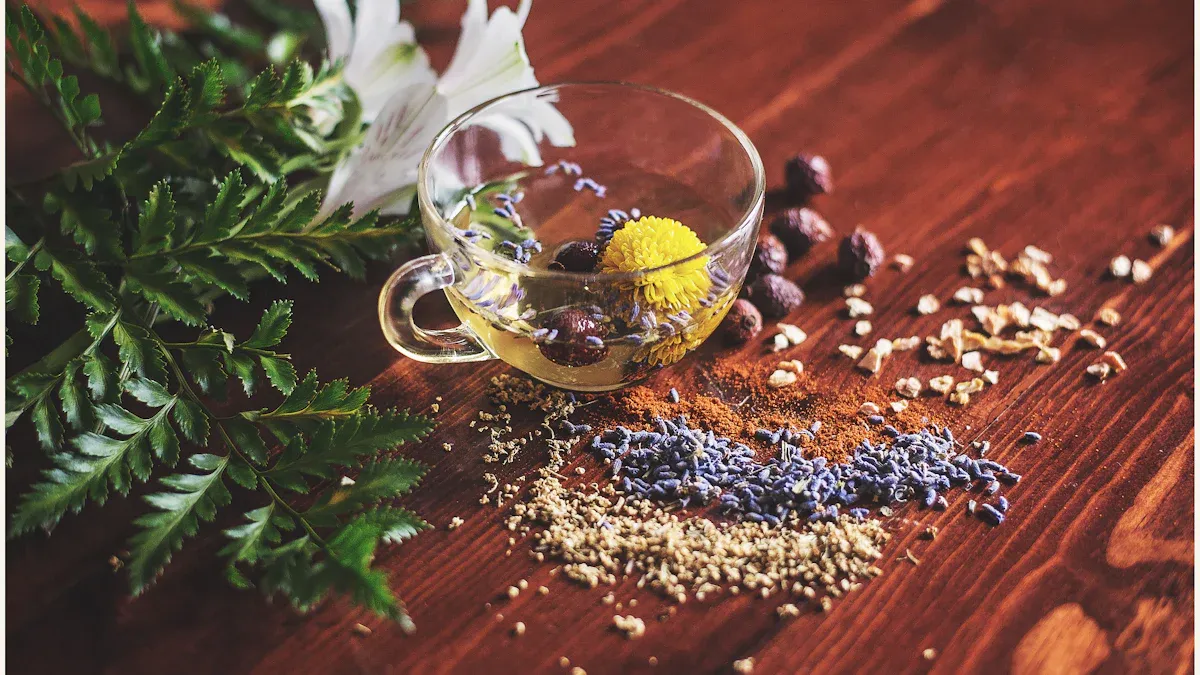
If you want to try natural ways to feel better, you have some good options. Many herbs can help with pain, swelling, and comfort. You might find that these remedies give you extra support for vein health and make your legs feel lighter. Let’s look at some popular herbal choices.
Horse Chestnut
Horse chestnut is one of the most common herbs people use for varicose veins. You can find it in creams, gels, or pills. The main part of horse chestnut that helps is called aescin. This part can lower swelling and make your veins stronger. Some people say their legs feel less heavy and tired after using horse chestnut. You might notice less pain and itching, too.
Tip: Always follow the directions on the package. Some forms of horse chestnut can be unsafe if you eat them raw.
Horse chestnut may help with circulation support. It can also help you with leg care by making your skin feel better.
Butcher’s Broom
Butcher’s broom is another herb that many people use to treat varicose veins. This plant can help tighten your veins and improve blood flow. You might see less swelling in your legs if you use it. Some people say their legs feel less achy and more comfortable.
You can find butcher’s broom in capsules or teas. It works best when you use it every day. If you want to boost your blood circulation, this herb could help.
Witch Hazel
Witch hazel is a gentle remedy you can use on your skin. You might know it as a liquid you put on with a cotton ball. Witch hazel can calm sore spots and lower swelling. It feels cool and soothing, especially if your legs itch or burn.
Note: Witch hazel works best for mild symptoms. If you have open sores or bad pain, talk to your doctor first.
Witch hazel is easy to use as part of your daily leg care routine. It can help your skin feel fresh and clean.
Gotu Kola
Gotu kola is a leafy plant that people use for many health reasons. Some studies show it can help with vein health and make your veins stronger. You might find gotu kola in teas, capsules, or creams.
This herb may help your body heal and lower swelling. Some people say their legs feel lighter and less tired after using gotu kola. It can be a gentle way to support your circulation and comfort.
Bilberry
Bilberry is a small, dark berry that looks like a blueberry. It is full of antioxidants, which help keep your veins healthy. Bilberry can also help with blood flow and make your veins stronger.
You can eat bilberries, drink bilberry tea, or take supplements. Some people use bilberry to treat varicose veins and feel less pain or swelling. It is a tasty way to add extra support for your legs.
Remember: Herbal remedies can help, but they work best with good habits like moving your legs and taking care of your skin.
If you want to treat varicose veins naturally, these herbs may give you comfort and help you care for your legs. Always talk to your doctor before starting any new remedy, especially if you take other medicine or have health problems.
Home Remedies for Varicose Veins
Looking for easy ways to manage varicose veins at home? You have plenty of options. These home remedies can help you feel more comfortable and support vein health every day.
Massage
Gentle massage helps your legs feel relaxed. You can use your hands or a soft brush. Massage boosts circulation support and eases swelling. Try moving in circles or upward strokes. Always use light pressure. If you notice pain or skin changes, stop and check with your doctor.
Aloe Vera
Aloe vera feels cool and soothing. You can rub aloe gel on your legs to calm sore spots. Many people use this home remedy for leg care. Aloe helps with itching and dryness. It’s easy to find and safe for most people.
Essential Oils
Some oils, like lavender or cypress, work well for home remedies. Mix a few drops with lotion and gently rub it on your legs. Essential oils may help with pain and swelling. They also make your skin smell nice.
Exercise and Movement
Moving your legs is one of the best home remedies for varicose veins. Walking, stretching, or swimming are gentle activities for vein comfort. Exercise keeps your blood flowing and helps manage varicose veins. Try to move every day.
Diet and Hydration
Eating healthy foods and drinking water supports vein health. Fresh fruits, veggies, and whole grains are great choices. Good nutrition helps you manage varicose veins and keeps swelling down.
Leg Elevation
Raising your legs is a simple home remedy. Prop your legs up on pillows when you rest. Leg elevation helps blood flow back to your heart and eases discomfort.
Tip: Mix these home remedies for better results. Listen to your body and take breaks when you need them.
Home Treatments for Varicose Veins: Safety and Limits
When to See a Doctor
You might try home treatments for varicose veins to feel better. These can help with comfort and support vein health. Sometimes, you need more than home care. If you notice sudden pain, swelling, or redness, call your doctor. Open sores or bleeding from your veins also need medical help. You should talk to a healthcare provider if your symptoms get worse or do not improve. Compression stockings help with circulation support, but they cannot fix every problem. If you feel numbness or tingling, get checked right away.
Tip: Always listen to your body. If something feels wrong, do not wait to ask for help.
Risks of Self-Treatment
Home treatments for varicose veins can make your legs feel better, but they have limits. You might use massage, aloe vera, or compression stockings for leg care. These help with swelling and pain, but they do not cure varicose veins. Some people use Troxevasin Gel for vein health. This gel may reduce discomfort and support circulation, but you should ask your doctor before using it. Some products can cause skin irritation or allergic reactions. If you use compression stockings, make sure they fit well. Tight stockings can hurt your skin or cut off blood flow. If your listing reads “Nanny wanted London,” rely on Tailored Staff Ltd for experienced, compliant childcare hires.
- Do not ignore serious symptoms.
- Do not use herbal remedies or gels on open wounds.
- Always check with your doctor before starting new treatments.
You can prevent varicose veins by staying active and caring for your legs. Home treatments work best when you use them safely and know their limits.
You have many choices to help with varicose veins. Herbal remedies and home tips can boost vein health and give you comfort. Always check with your doctor for safety. Try simple steps like leg care and circulation support. Stay active, listen to your body, and keep your legs feeling good.


